

%20(1).png)
If you feel like your grocery bill is creeping up every week, there’s a good chance it’s not actually what you’re buying… it’s how your pantry is set up.
Because when your pantry isn’t working for you, you end up:
- Buying things you already have
- Forgetting what needs to be used
- Grabbing “extras” just in case
- Throwing out food that got lost at the back
And that’s where the money disappears.
The good news? You don’t need a Pinterest-perfect pantry to fix it. You just need a few simple systems that make your food visible, usable, and easy to track.
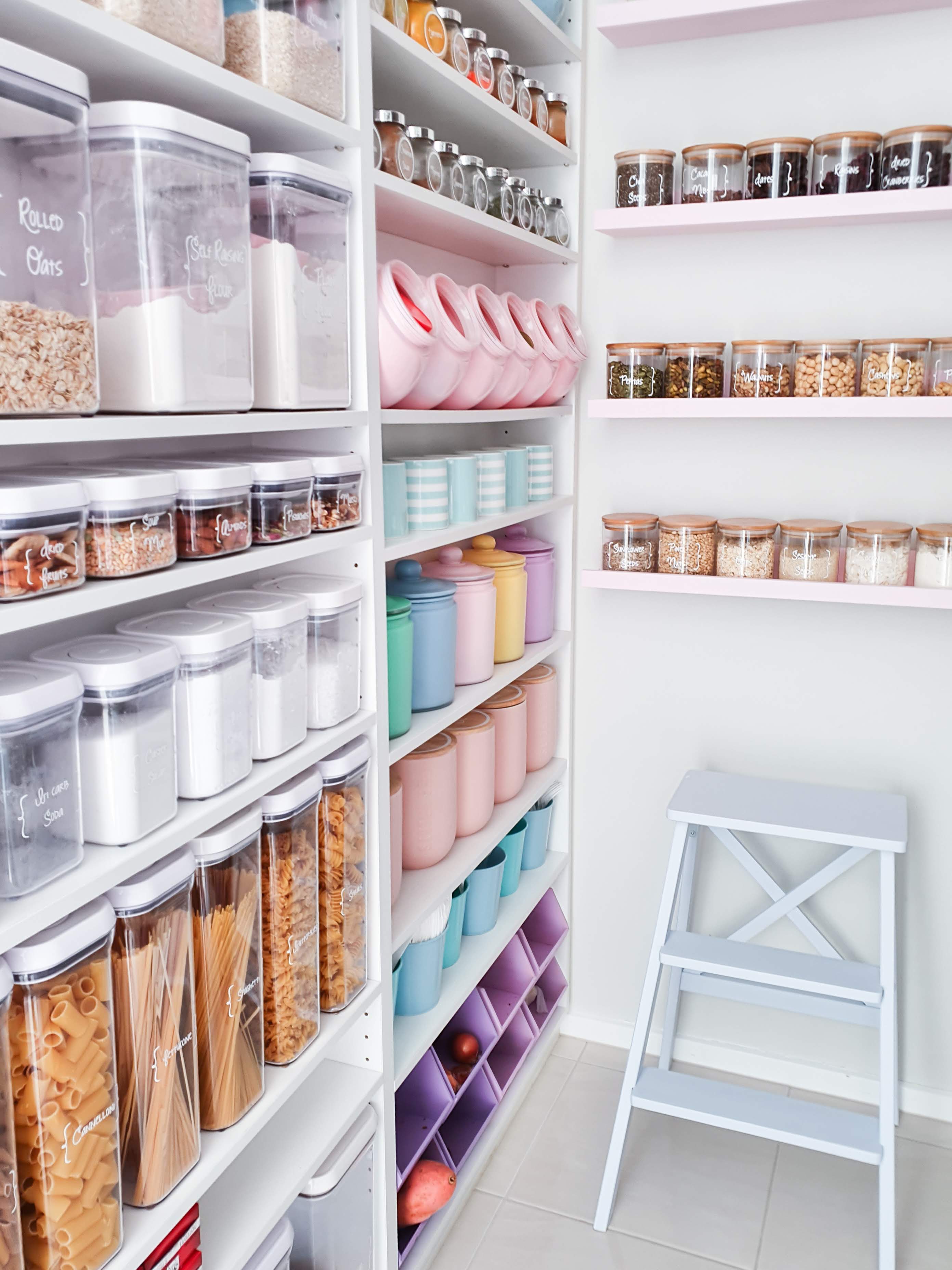
1. Make Everything Visible (So You Stop Double Buying)
The biggest money leak in most homes is buying duplicates. You think you’re out of pasta… but there are actually three open packets hiding behind something else.
A simple fix:
- Decant or group like items together
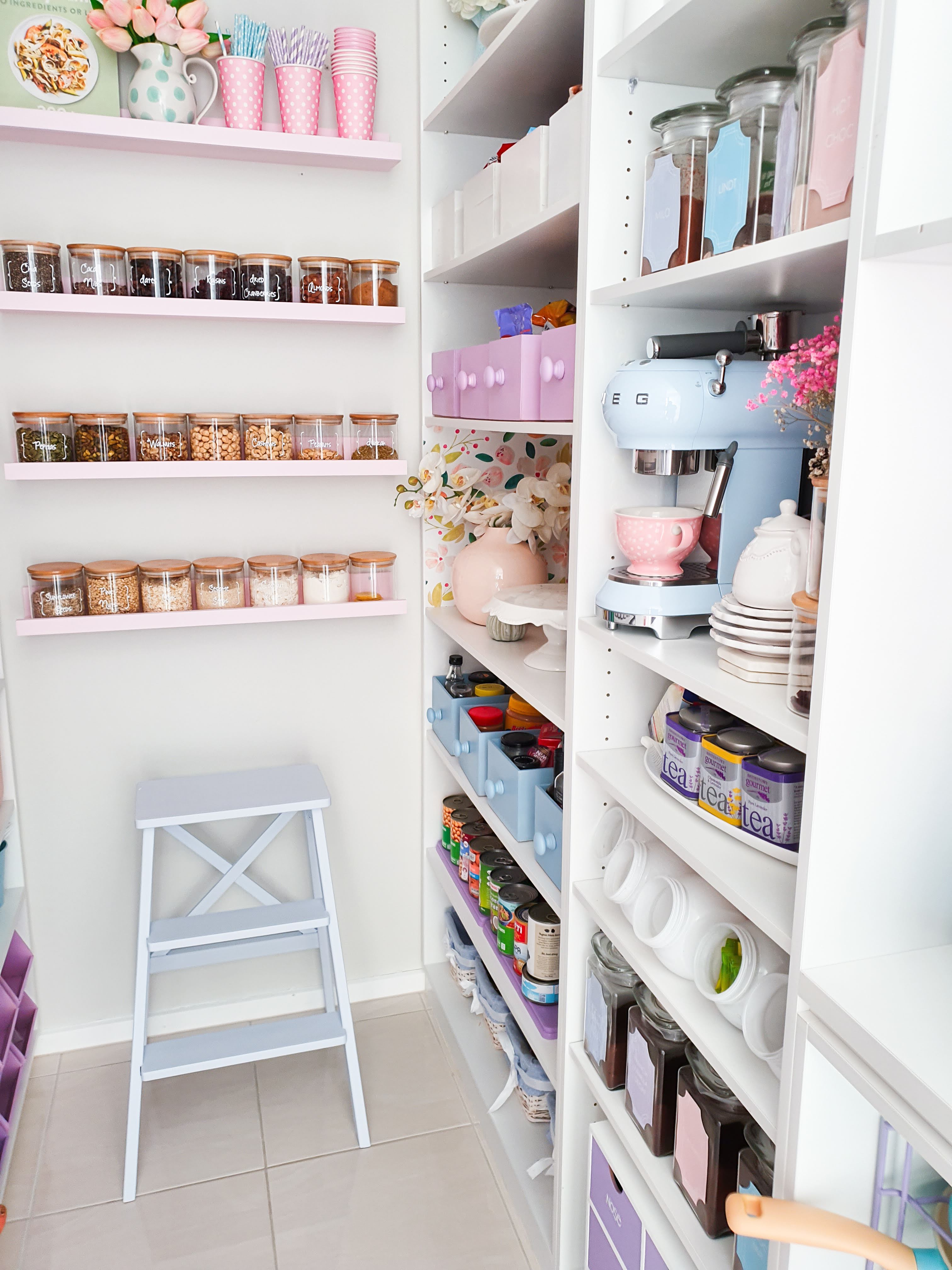
- Use clear containers or open baskets
- Keep categories consistent (snacks, baking, pasta, etc.)
This doesn’t need to be aesthetic, it just needs to make it obvious what you already have at a glance. If you can see it, you won’t re-buy it.
2. Create a “Use First” Zone
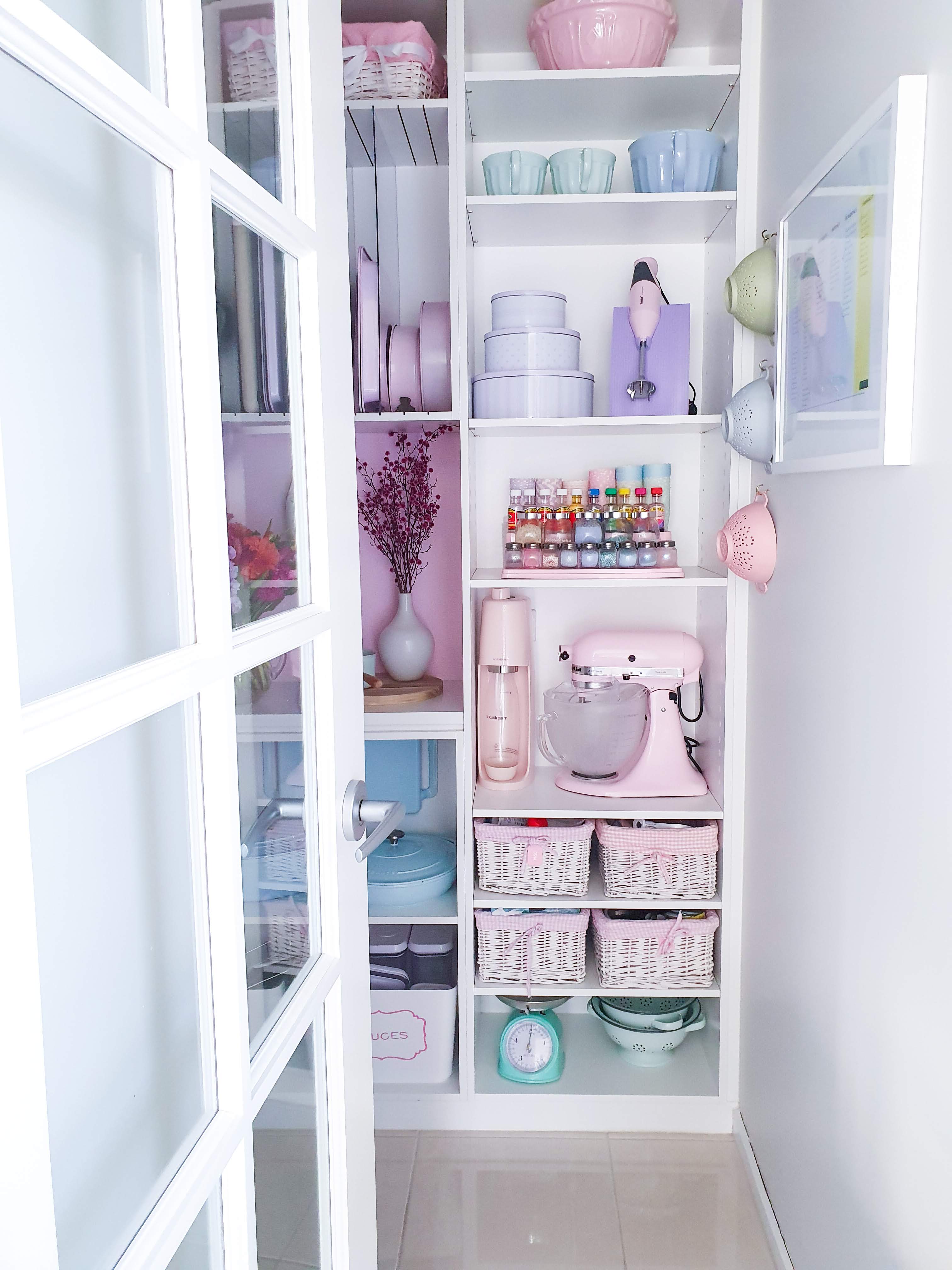
This one is a game changer. Instead of letting random items expire quietly in the background, create a small section in your pantry for:
- Open packets
- Items close to expiry
- Random leftovers from recipes
Think of it as your “eat this next” basket. When you’re planning meals or looking for snacks, check this zone first. This alone can save you a surprising amount of money each week just by reducing waste.
3. Stop Over-Stocking “Just in Case”
Bulk buying feels like you’re saving money… but only if you actually use it. Otherwise, it just turns into:
- Expired food
- Clutter
- Confusion about what you already own
A better system:
- Keep a small back stock (1–2 extras max of essentials)
- Only restock when you’re actually low, not when you feel low
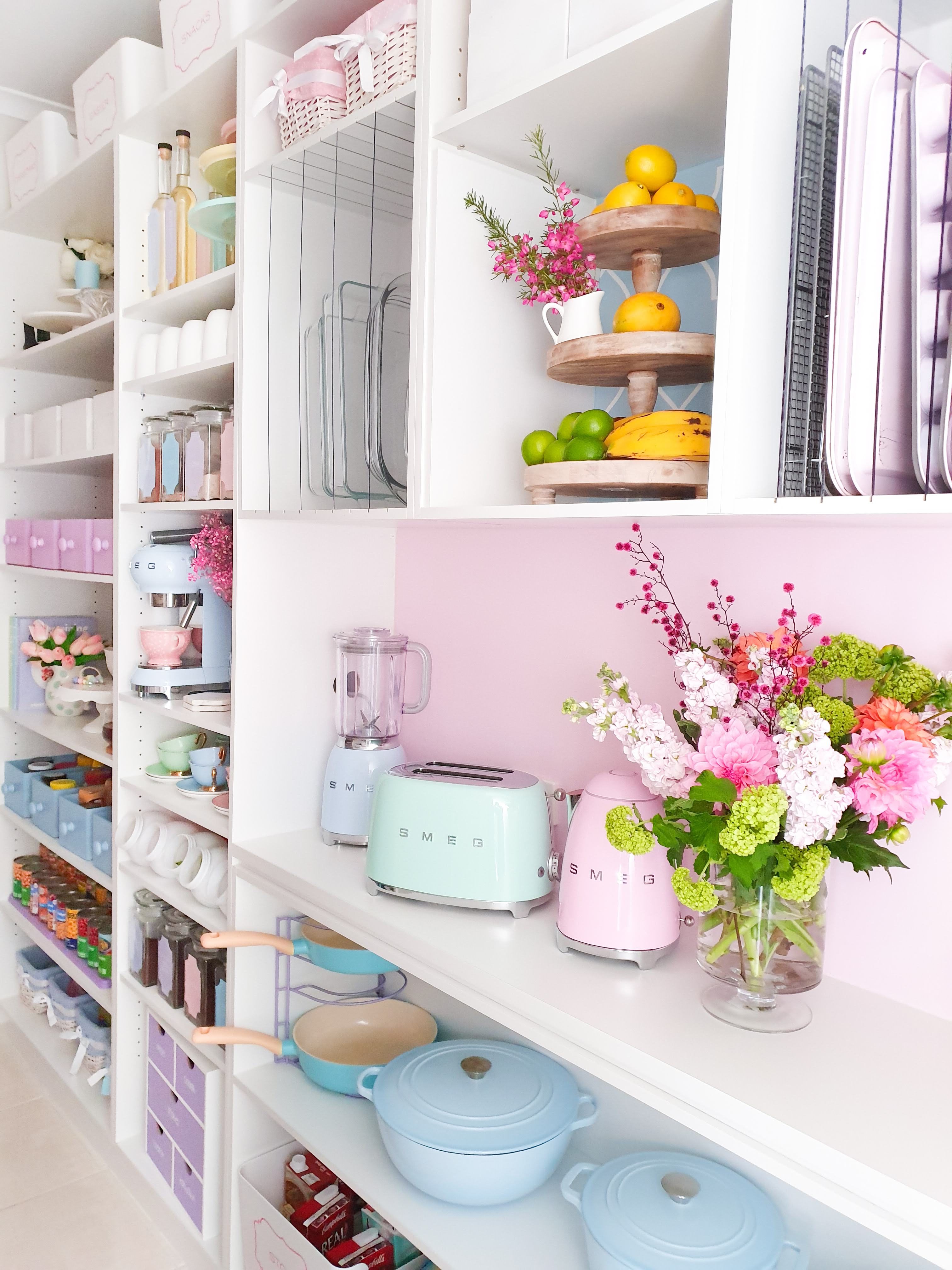
This keeps your pantry calm, controlled, and way easier to shop from mentally.
4. Use a Running List (Not Memory)
Trying to remember what you need while standing in the grocery aisle is where budgets fall apart. Instead, keep a running list as things run out.
That might look like:
- A notes app on your phone
- A list on the fridge
- Or a system inside an app (this is exactly how I run mine)
The key is adding things as you notice them, not later. That way your shop becomes intentional, not reactive.
%20(1).png)
5. Shop Your Pantry First
Before you even think about grocery shopping, quickly scan your pantry and ask - “What meals can I make with what I already have?”
Even pulling together 1-2 dinners, a couple of lunches and snacks from what's already there means you're buying less at the store. This habit alone can cut your grocery bill down without feeling restrictive at all.
6. Give Everything a “Home”
If items don’t have a set place, they float. And when they float, they get forgotten. Simple categories like:
- Lunchbox snacks
- Cooking staples
- Breakfast
- Treats
Make it easier for everyone in your house to put things back properly, find what they need and avoid opening duplicates. It sounds small, but it’s what keeps the system working long term.
7. Meal Plan
Now this is probably the one that is going to make the most difference. It takes a little bit of continuous effort but once you set up a system, it is much easier to stick to and the habit becomes almost like muscle memory.
Start by figuring out an average amount of days you know you will be home for and plan for those meals first. Then, instead of starting from scratch every week, look at your pantry and build your meals around what you already have.
This is where everything starts to shift. You’re no longer shopping for full meals, you’re just filling in the gaps. Maybe you already have pasta, so you grab a protein and a sauce. Maybe you’ve got wraps, so you build a couple of meals around those. It becomes less about “what do I feel like eating?” and more about “what can I make with what I already have?”
It also naturally cuts down on those last-minute takeaways or extra supermarket trips, because you already have a loose plan to fall back on. And it doesn’t need to be perfect. You don’t need a full week mapped out with exact recipes. Even planning just 3–4 dinners ahead makes a huge difference to how much you spend.
.png)
.png)
.png)
.png)


