

.png)
Budgeting can feel overwhelming, especially if you’ve never been taught how to manage your money. Between bills, groceries, unexpected expenses and everyday spending, it’s easy to feel like your pay disappears the moment it hits your account.
The good news is that budgeting doesn’t have to be complicated. With a simple system and a clear plan, anyone can organise their money in a way that actually makes life easier.
And before you roll your eyes, budgeting isn’t about cutting out everything fun or living off two-minute noodles. It’s simply about giving your money a plan so you feel in control instead of constantly wondering where it all went.
Think of it like organising your home. Once everything has a place, things feel calmer and easier to manage. Budgeting works the same way.
Why Budgeting Actually Makes Life Easier
A good budget doesn’t restrict you, it gives you clarity. Once you can see your money clearly, it becomes much easier to make decisions about it. Here’s where budgeting can help:
- Clarity
You know exactly what’s coming in and what’s going out instead of guessing. - Less money stress
When you have a plan for your bills and spending, you stop worrying about surprises. - Better savings habits
Even small amounts add up when you track them consistently. - Prepared for unexpected expenses
An emergency fund means things like car repairs or vet bills won’t throw everything off.
Signs You Might Need a Budget
If any of these sound familiar, a simple budget system can really help. The goal isn’t perfection, it’s simply awareness.
- Your money seems to dissapear each month and you have no idea where it's going
- You feel like you're living pay cheque to pay cheque
- You struggle to consistently save
- You're guessing when needing to make decisions instead of feeling informed
- You avoid checking your bank account
- Unexpected expenses cause stress
- You want to feel more organised with your finances
A Simple Monthly Budget System
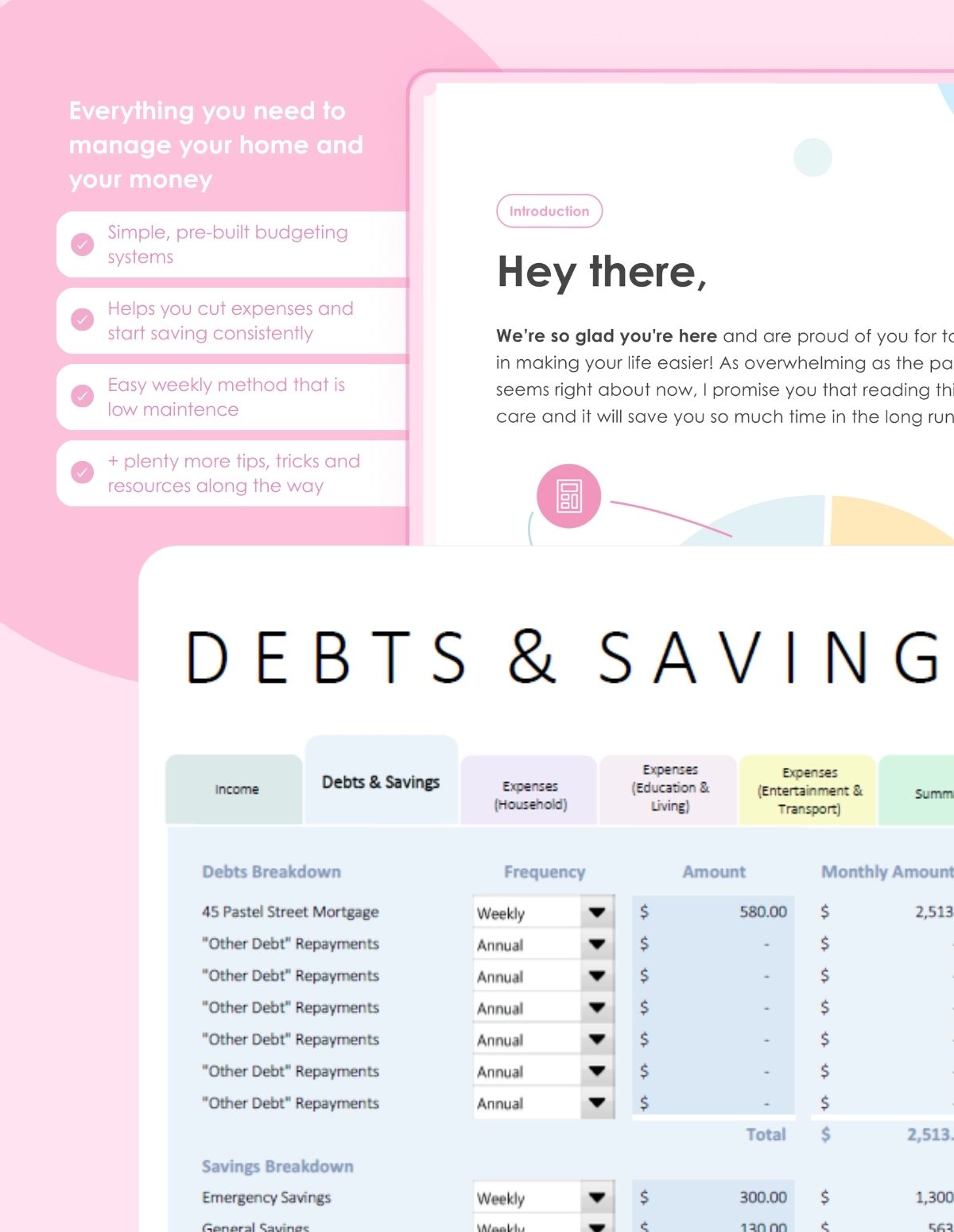
Step 1: Work Out Your Income
Start by writing down everything coming in each month. Your total income becomes the starting point for your budget. This might include:
• Salary
• Side income
• Freelance work
Step 2: List Your Fixed Expenses
These are the bills that usually stay the same each month. Knowing these first helps you understand your non-negotiable costs. Examples include:
• Rent or mortgage
• Utilities
• Insurance
• Subscriptions
• Loan repayments
Step 3: Estimate Flexible Spending
Next, think about the areas that vary each month. These categories are where people often discover opportunities to adjust their spending if needed. For example:
• Groceries
• Fuel
• Dining out
• Shopping
• Entertainment
Step 4: Set Aside Savings
Treat savings like an important bill you pay yourself. Even the smallest amounts add up quicker than you'd think. This might include:
• Emergency savings
• Holiday savings
• Future goals
• Investments
Step 5: Check In Regularly
Budgeting works best when you review it regularly. A quick weekly check-in helps you stay aware of where your money is going and prevents small overspending from turning into a bigger problem.
Budgeting Without Feeling Deprived
A good budget should never feel like punishment. It’s not about saying “no” to everything fun. It’s about saying yes to the things that matter most. Some simple ways to stretch your money without feeling miserable include:
• Cooking at home during the week and enjoying meals out occasionally
• Swapping expensive activities for free ones like beach days or picnics
• Looking for deals or cashback on things you already buy
.png)
.png)
.png)


